Compiler of the Vedas
Understand the monumental task undertaken by Veda Vyasa in organizing the Vedic scriptures.
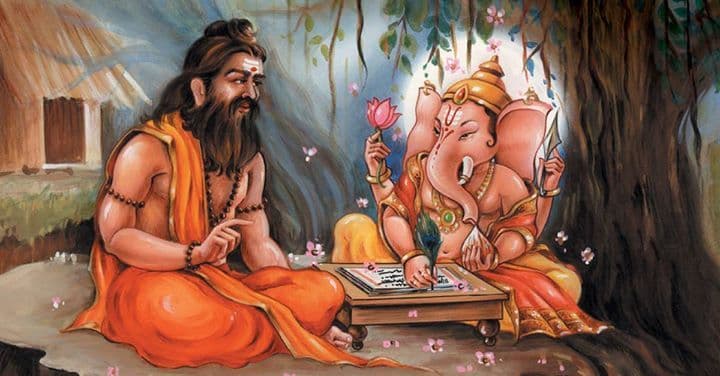
Krishna Dvaipayana, Veda Vyasa
To compile and organize the Vedic knowledge, and compose epic scriptures
Divided the single Veda into four parts: Rig, Yajur, Sama, and Atharva
Composed the Mahabharata, the longest epic poem in the world
Embedded the Bhagavad Gita within the Mahabharata
Authored the 18 Mahapuranas and the Brahma Sutras (Vedanta)
Understand the monumental task undertaken by Veda Vyasa in organizing the Vedic scriptures.
Explore Vyasa's role as the author of the Mahabharata, including the Bhagavad Gita, and the major Puranas.
Dharma is subtle and its path is complex.
Knowledge must be preserved and shared for the welfare of humanity.
The ultimate reality (Brahman) can be understood through scripture and reason.
No specific stotras currently linked to Vyasa.